


Welcome to our website’s resource library, where we offer an extensive collection of free science materials tailored for K-12 students. Dive into a wealth of educational resources including articles, activities, lesson plans, learning modules, and much more. All materials are free to download!

In the Western United States, shallow rocky soils and a dry climate often make it hard for new trees to…
In the Western United States, shallow rocky soils and a dry climate often make it hard for new trees to grow in areas that have been harvested of older trees....


In the Western United States, shallow rocky soils and a dry climate often make it hard for new trees to…
In the Western United States, shallow rocky soils and a dry climate often make it hard for new trees to grow in areas that have been harvested of older trees....


Leaves change color in the fall. Cooler temperatures in the fall cause the chlorophyll in leaves to break down. When…
Leaves change color in the fall. Cooler temperatures in the fall cause the chlorophyll in leaves to break down. When chlorophyll, which is green, begins to break down in leaves,...


Frogs are a species of amphibian. In recent years, there has been a decline in the numbers of amphibians worldwide.…
Frogs are a species of amphibian. In recent years, there has been a decline in the numbers of amphibians worldwide. This decline is thought to be caused by many things....


The scientists in this study developed a process to help managers identify management priorities. As conditions change over time, the…
The scientists in this study developed a process to help managers identify management priorities. As conditions change over time, the managers wanted to adapt their management priorities to fit the...


The tree line is the edge of a habitat at which trees are capable of growing. In this study, the…
The tree line is the edge of a habitat at which trees are capable of growing. In this study, the scientists wanted to examine dead trees that they found above...


Too much carbon dioxide (CO2) in the atmosphere is mostly caused by two things: burning fossil fuels and the loss…
Too much carbon dioxide (CO2) in the atmosphere is mostly caused by two things: burning fossil fuels and the loss of trees. Urban trees help to keep urban areas cooler,...
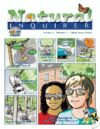

Too much carbon dioxide (CO2) in the atmosphere is mostly caused by two things: burning fossil fuels and the loss…
Too much carbon dioxide (CO2) in the atmosphere is mostly caused by two things: burning fossil fuels and the loss of trees. Urban trees help to keep urban areas cooler,...


A Distance Learning Adventure brings bat conservation to life through webcasts, webinars, and online education resources. Bats are vital to…
A Distance Learning Adventure brings bat conservation to life through webcasts, webinars, and online education resources. Bats are vital to healthy ecosystems and human economies worldwide. As primary predators of...

In “Batter Up,” learn about how engineers designed a test to determine baseball bat breakage rates for different types of…
In “Batter Up,” learn about how engineers designed a test to determine baseball bat breakage rates for different types of wood.

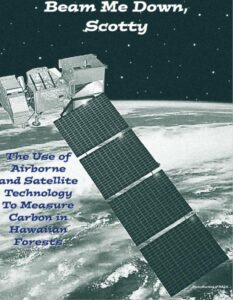
In this study, the scientists wanted to test a method of calculating the amount of carbon stored by plants across…
In this study, the scientists wanted to test a method of calculating the amount of carbon stored by plants across a large area of land. They chose the island of...


Mountain pine beetles are important to the Western United States. They have a very special life cycle that includes staying…
Mountain pine beetles are important to the Western United States. They have a very special life cycle that includes staying “supercool,” or dormant, for most of their lives. The scientists...
