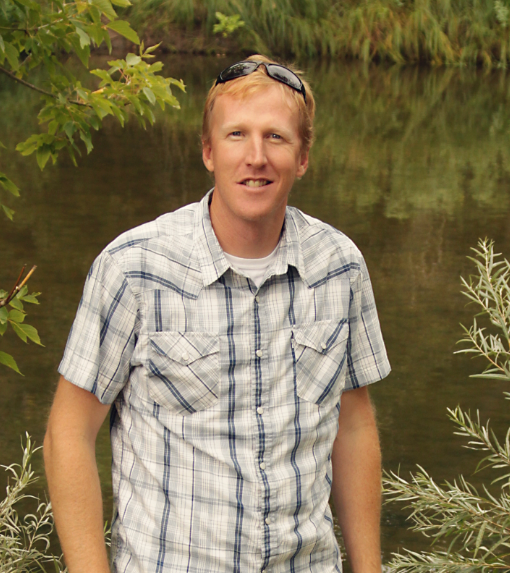
Environmental economists study the way people interact with nature. This research includes how people value nature, how they respond to changes in the environment, and what policies can be used to protect the environment.
Creativity is an important skill for scientists. My research is a bit like story telling. I create a model to explain something that I observe in real life or just to see if something is possible. The only requirement is that the people in the “worlds” I create have to follow the basic rules of economics and math.
How will climate change affect the way people in the United States use freshwater? A lot of places are already running out of freshwater for human use. It is important to know how climate change will affect the amount of available freshwater, and how to find ways we can conserve that freshwater.
When I start looking at a question or problem, I use a pencil and a lot of paper to create models of peoples’ behavior and the effect of those behaviors on the environment. The models are really a bunch of math equations. After I have solved the math, I turn that math into computer models to study large scale problems like climate change and drought.
My research focuses on the value of ecosystem services. Ecosystem services are the benefits humans get from ecosystems, like clean air or clean water. In 2015, President Obama asked the USDA Forest Service to think about ecosystem services when they manage public land. To help meet the President’s request, I have traveled to National Forests throughout the country. I have also gone to Washington, D.C. to talk about my research.
I have always wanted a job with environmental policy. It was not until college that I discovered economics. It is one of the few fields that combine policy and math. I was lucky to work with professors in college, and I fell in love with research.