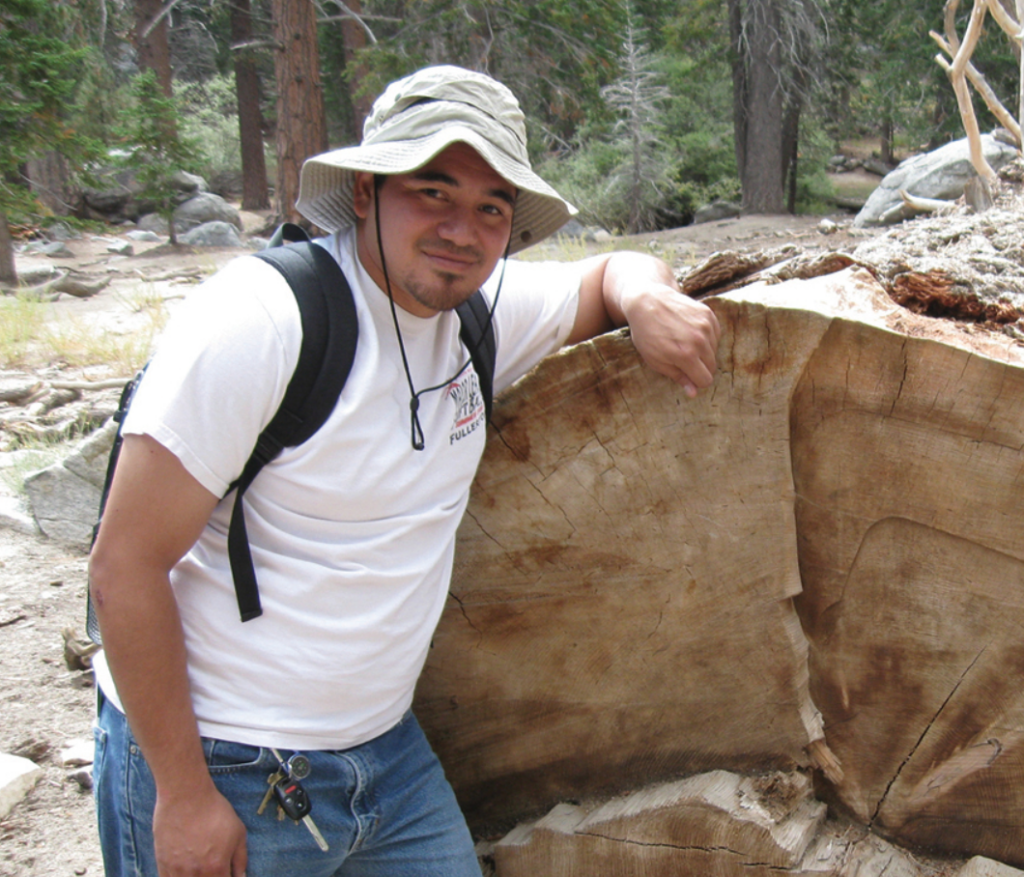
Environmental economists study the interaction between people and nature. My research includes people’s preferences towards nature, the value they place on nature, and how environmental changes affect people’s preferences and values.
Talents and skills that are important for research scientists are curiosity, creativity, and mathematics. To help understand people’s preferences and values, I design surveys and develop models to help answer many questions.
How will climate change affect the way people recreate and value nature? It’s important to know how forest changes impact people’s decisions. Common methods to find recreation preferences and values involve surveys to collect data on visits and how much respondents are willing to pay for forest visits.
I use data to estimate the value people place on nature. Surveys enable me to collect the data to answer my research questions. I use mail, phone, in-person, or internet surveys along with mathematical models to estimate the values.
My most important discovery is finding how different wildfires affect people’s recreation behavior. I found that people recreate in and value more low-intensity fires near wilderness trails than more intense fires that spread far from the trails.
I am the first person in my family to graduate from college. I didn’t know I wanted to be a scientist until I did an internship with the USDA Forest Service. During the internship, I learned the importance of science in helping manage forests and other public lands.