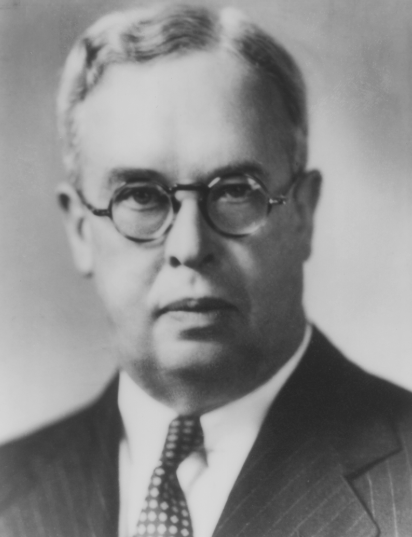
Earle H. Clapp, Former Deputy Chief of Research and Development
1915-1935
USDA Forest Service
Research & Development Milestones under Earle Clapp's Leadership
As its first Deputy Chief, Clapp oversaw the creation of the Forest Service Branch of Research. Clapp noted, “What the reorganization did was to give the Forest Service research effort recognition it had never had.”
The McSweeney-McNary Act of 1928 accomplished several things. It gave research a more prominent position in the Forest Service. The act addressed non-Federal research needs, and it began to balance silvicultural and products research. One of its most important accomplishments was the authorization of the Forest Survey (now Forest Inventory and Analysis). The act was so encompassing that the Forest Service did not seek additional research legislation until 1978.
In 1921, the Priest River Forest Experiment Station in Idaho was dedicated to fire research, a research priority that continues into the 21st century.
Research accomplishments included the development of silvicultural treatments to reduce fire damage, a better understanding of forest and range effects on water flow, utilization studies that improved timber harvest methods, the development of new lumber grading methods that produced more value from each tree, and the classification of the most important range forage species.